

Yes, iron supplements can contribute to acne but only in specific situations.
For most people, iron does not trigger breakouts. Issues tend to appear when iron intake exceeds actual physiological needs or when supplementation occurs without confirmed deficiency.
Iron is an essential mineral involved in oxygen transport, immune defense, and skin cell renewal. Because fatigue, hair thinning, or low energy are common symptoms, many people start iron supplements on their own. This is where skin reactions may occur.
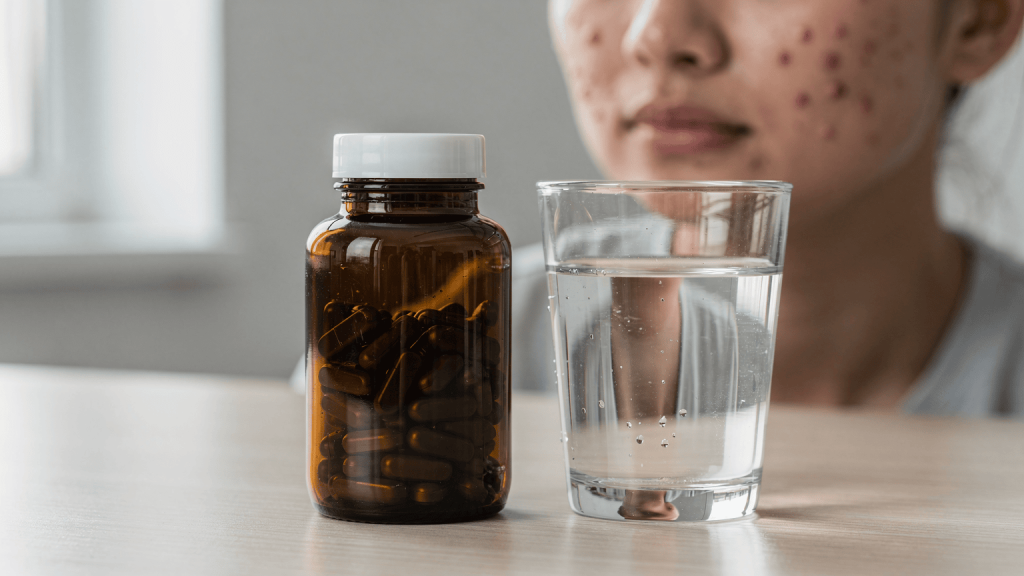
Key takeaways:
- Iron supplements do not automatically cause acne.
- Excess iron may worsen inflammation in acne-prone individuals.
- Both low and high iron levels can affect skin balance.
Can Low Iron Levels Cause Acne?
While excess iron often gets the blame, low iron levels can also negatively affect the skin. In some cases, acne may actually worsen when iron stores are too low, especially if the deficiency is long-standing.
Iron plays a key role in oxygen delivery to skin cells. When levels drop, the skin receives less oxygen and nutrients, which can slow cell turnover and impair healing. This may create an environment where pores clog more easily and inflammation lingers longer.
How iron deficiency may impact acne
Low iron can indirectly influence acne through several mechanisms:
- Reduced skin regeneration, leading to slower repair of blemishes
- Weakened immune response, allowing acne-causing bacteria to persist
- Increased stress hormones, which may stimulate oil production
People with iron deficiency often report dull skin, frequent breakouts, and delayed healing, rather than classic oily acne. This pattern is particularly common in menstruating women, endurance athletes, and individuals with restrictive diets.
Key insight: Both iron deficiency and iron excess can disrupt skin balance optimal levels matter more than supplementation itself.
When iron supplementation may help the skin
In cases of confirmed iron deficiency, restoring normal levels may lead to:
- Fewer inflammatory breakouts
- Faster healing of existing acne
- Improved overall skin tone and resilience
However, this benefit only occurs when supplementation is medically justified and properly dosed. Taking iron without deficiency does not improve acne and may do the opposite.
When Iron Supplements Can Make Acne Worse
Iron supplementation becomes problematic for the skin mainly when intake exceeds actual needs. In people without iron deficiency, excess iron can accumulate and contribute to systemic and skin-level inflammation.
Unlike water-soluble nutrients, iron is not easily eliminated. Once stored, it can promote oxidative stress, a process known to aggravate inflammatory acne.
Why excess iron may trigger breakouts
When iron levels rise above optimal ranges, several mechanisms may affect acne-prone skin:
- Increased free radical production, leading to skin irritation
- Enhanced inflammatory signaling, worsening redness and swelling
- A more favorable environment for acne-causing bacteria
This does not mean that iron directly “creates” acne, but rather that it can intensify existing breakouts, especially in individuals with sensitive or reactive skin.
Key fact: Iron supplements taken without deficiency are one of the most common nutritional triggers of inflammatory acne flare-ups.
Who is most at risk?
Iron-related acne is more likely in:
- People with normal or high iron stores
- Individuals taking high-dose iron daily
- Those with inflammatory or hormonal acne
- People combining iron with other pro-oxidant supplements
For these profiles, even moderate supplementation may be enough to disturb skin balance over time.
This highlights an important principle: iron supplementation should be need-based, not routine especially for those struggling with acne.
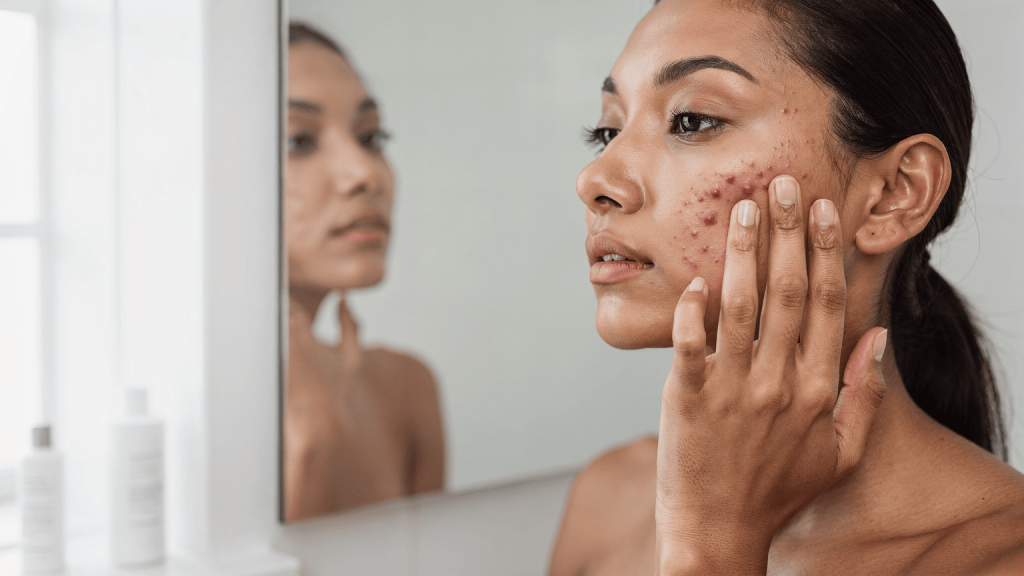
Should You Take Iron Supplements If You Have Acne?
Iron supplements are not inherently bad for acne but they must be used with caution. The deciding factor is whether your body truly needs iron.
For people with confirmed iron deficiency, supplementation may support healthier skin by improving oxygen delivery and immune function. In these cases, acne may stabilize or improve over time.
For individuals with normal iron levels, however, supplementing “just in case” can backfire. Excess iron may increase inflammation and prolong breakouts, particularly in those with inflammatory or hormonal acne.
How to decide safely
Before starting or continuing iron supplements, consider the following:
- Do you have documented iron deficiency?
- Are you experiencing persistent inflammatory breakouts?
- Did acne worsen after starting supplementation?
- Are you taking iron daily without medical supervision?
If several answers are “yes,” reassessing iron intake is warranted.
Iron, acne, and balance
The goal is not elimination, but balance. Iron is essential yet potentially problematic when misused.
| Iron status | Effect on acne |
|---|---|
| Low iron | Slower healing, dull skin, possible breakouts |
| Optimal iron | Normal skin regeneration and repair |
| Excess iron | Inflammation and acne flare-ups |
Final takeaway: Iron supplements can cause acne in certain profiles, but they can also improve skin when deficiency exists. The difference lies in proper testing, appropriate dosing, and individual skin sensitivity.