

Yes multivitamins do expire, but not always in the way people expect. Most supplements don’t suddenly become dangerous after the expiration date. Instead, they gradually lose potency, meaning you may no longer get the nutritional value stated on the label.
Understanding how expiration works is essential if you rely on multivitamins for daily health support, immune balance, or nutritional gaps. This article explains what expiration dates really mean, how long multivitamins last, and whether it’s safe or useful to take them past that date.
Key takeaways:
- Multivitamins do expire, but loss of effectiveness happens gradually.
- Expired multivitamins are usually not harmful, just less potent.
- Storage conditions strongly affect how long vitamins remain effective.
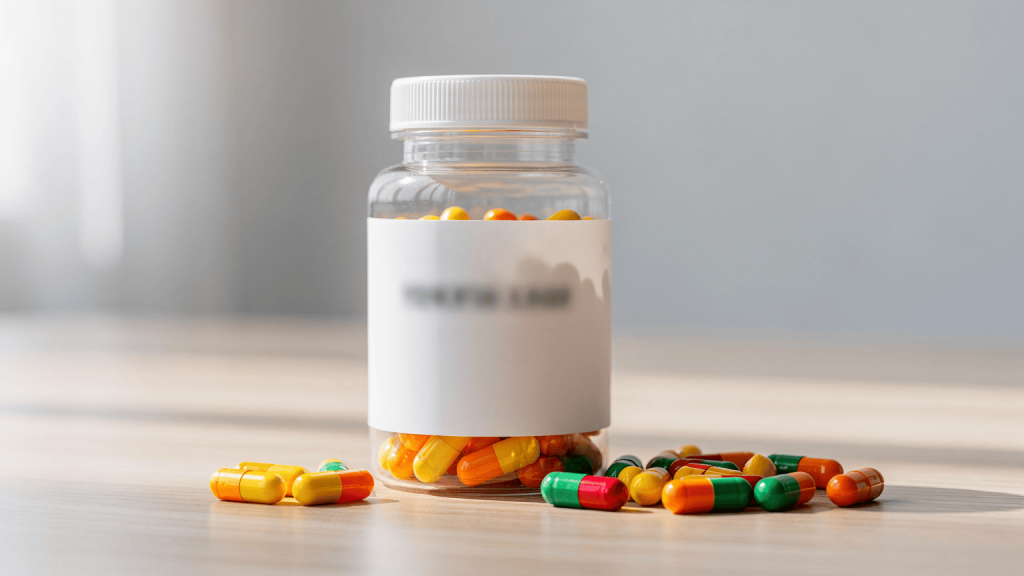
What does a multivitamin expiration date actually mean?
The expiration date printed on a multivitamin bottle is not a safety deadline. It represents the last date the manufacturer guarantees full potency when the product is stored as recommended.
In most cases, this date reflects stability testing showing that:
- Each vitamin still delivers at least 100% of the labeled amount
- The product maintains chemical integrity
- No significant degradation has occurred
After this date, the supplement may still be usable, but the vitamin content can decline, sometimes significantly.
Supplements vs medications: an important distinction
Unlike prescription drugs, dietary supplements are not required to prove long-term effectiveness beyond their labeled expiration date. That means:
- Multivitamins rarely become toxic after expiration
- They simply may not deliver the expected benefits
This distinction explains why many people take expired multivitamins without noticing immediate side effects yet also without clear results.
Do all vitamins expire at the same rate?
Not at all. Different vitamins degrade at very different speeds, depending on their chemical structure and exposure to environmental factors.
Vitamins that lose potency faster
Some nutrients are particularly fragile:
- Vitamin C degrades quickly when exposed to air or humidity
- B-complex vitamins are sensitive to heat and light
- Folic acid may break down faster than other B vitamins
These nutrients are often the first to fall below effective levels after expiration.
More stable vitamins and minerals
Other components are far more stable:
- Fat-soluble vitamins (A, D, E, K) tend to last longer
- Minerals like zinc, magnesium, and iron remain chemically stable for years
This means an expired multivitamin might still provide minerals, while its vitamin content has weakened.
Key data : Stability testing shows some water-soluble vitamins can lose up to 30–50% of their potency within one year after expiration when poorly stored.
Why expiration matters more for daily multivitamin users
If you take multivitamins occasionally, expiration may not feel critical. But for daily users, expired supplements can quietly undermine your health routine.
Potential consequences include:
- Lower nutrient intake than expected
- Reduced support for immune function
- Inadequate coverage of dietary gaps
- No noticeable benefits despite consistent use
This is especially relevant for people relying on multivitamins for:
- Fatigue management
- Stress support
- Restricted diets
- Age-related nutrient decline
Taking an expired multivitamin won’t usually harm you but it may not help you either.
How long do multivitamins last?
In most cases, multivitamins have a shelf life of 1 to 3 years from the manufacturing date. This duration assumes the product remains unopened and is stored under proper conditions.
Once the bottle is opened, exposure to air, moisture, and temperature changes can accelerate nutrient degradation. Even before the expiration date, potency may slowly decline if storage conditions are not ideal.
Unopened vs opened multivitamins
Unopened multivitamins:
- Retain potency longer
- Are protected from humidity and oxidation
- Usually remain effective until the printed expiration date
Opened multivitamins:
- Begin degrading as soon as air enters the bottle
- Are more sensitive to environmental conditions
- May lose effectiveness several months before expiration
This is particularly true for chewables, gummies, and powders, which contain moisture-attracting ingredients.
Does storage really make a difference?
Yes storage conditions are one of the biggest factors influencing vitamin stability.
Poor storage can shorten shelf life significantly, even before expiration.
Common mistakes include:
- Keeping vitamins in a bathroom cabinet
- Exposing them to heat or sunlight
- Leaving the bottle open for long periods
Best storage practices
To preserve potency:
- Store multivitamins in a cool, dry place
- Keep the bottle tightly closed
- Avoid transferring pills to unsealed containers
Proper storage can help multivitamins maintain their nutritional value for much longer.

Is it safe to take expired multivitamins?
In most situations, taking expired multivitamins is not dangerous. Unlike medications, vitamins do not suddenly become harmful once the expiration date passes. The main issue is reduced effectiveness, not safety.
That said, there are a few important nuances to consider.
When expired multivitamins are generally safe
Expired multivitamins are usually safe if:
- They show no visible changes (no odor, discoloration, or crumbling)
- They were stored in a cool, dry place
- The expiration date passed within the last few months
In these cases, the supplement may still provide partial nutritional support, especially from stable minerals like zinc or magnesium.
When you should stop using them
You should discard expired multivitamins if:
- Tablets smell unusual or appear sticky
- Capsules are cracked or leaking
- The product was exposed to heat or humidity
- The expiration date passed more than one year ago
These signs suggest nutrient breakdown or compromised quality.
Practical checklist :
- Check the expiration date
- Inspect smell, color, and texture
- Confirm proper storage conditions
Do expired multivitamins still work?
They may work partially, but you should not rely on them for consistent results. Over time, water-soluble vitamins like vitamin C and B-complex lose potency, meaning you may fall short of your nutritional needs without realizing it.
For people taking multivitamins daily, replacing an expired product is usually the better option.
Should you replace expired multivitamins?
If your multivitamins are slightly past their expiration date and were stored correctly, finishing the bottle is unlikely to cause harm. However, if your goal is consistent nutritional support, replacing them is usually the smarter choice.
Expired multivitamins may still contain minerals, but key vitamins often fall below effective levels. This means you could believe you’re covering your needs while you’re not.
Quick decision guide
| Situation | Best choice |
| Expired < 3 months, well stored | Acceptable to finish |
| Expired 6–12 months | Reduced benefit likely |
| Expired > 1 year | Replace |
| Visible changes or odor | Discard immediately |
Bottom line
Multivitamins do expire, but expiration mainly affects potency, not safety. If your supplement is past its date, the real question is not “Is it dangerous?” but rather “Is it still effective?”
For daily users relying on multivitamins to support energy, immunity, or overall health, using a fresh, well-formulated product ensures reliable intake and avoids hidden nutrient gaps.
Storing supplements properly and checking expiration dates regularly are simple habits that make your nutrition routine far more effective.